Airport Master - Plane Tycoon 2 reveals whether you can keep the terminal afloat or let passengers destroy it. So, you think you can run this little empire?
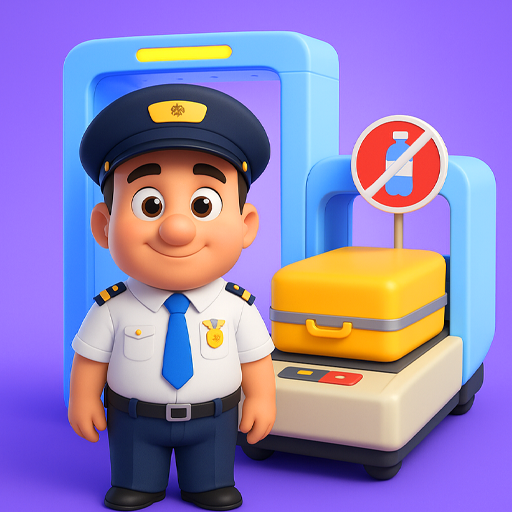
Guiding Every Tiny Step
There is no roaring engine noise or complex radar screen—just a stream of tiny people constantly moving through the terminal. Each level presents the same objective but at varying scales: getting the required number of passengers onto the plane. Initial tutorials introduce basic stations like boarding gates, baggage scanners, security checkpoints, and waiting areas. From there, the decisions are yours: identifying where queues are forming and determining which areas to expand first. Your meagre starting funds cover only a boarding gate and a scanner. You must personally guide passengers through every stage—check-in, security, waiting, baggage handling, and boarding. As revenue grows, you can hire staff to manage specific zones. You need to maintain a bird's-eye view and decide which link in the chain requires immediate intervention.
A Big-Picture View To Guide Upgrades
The opening hours feel like a race against time. You move around the airport, tapping equipment to activate it and directing passengers along the correct path. Baggage scanners must be positioned correctly, and security checkpoints cannot be left unmanned for too long. Insufficient seating in the waiting area causes crowds to back up right at the boarding gate. Handling every step yourself helps you pinpoint exactly where bottlenecks occur. Watching a group of passengers complete the entire process and board the plane brings a distinct sense of relief. However, a delay at just one station immediately impacts the entire subsequent chain. Success—and maintaining a smooth flow—depends on observing queues and prioritising the right areas. Conversely, focusing too heavily on one area while neglecting another will quickly lead to airport gridlock.
As funds accumulate, Airport Master - Plane Tycoon introduces a staffing system. Employees are assigned to specific zones—handling passenger guidance, baggage transport, or security checkpoints. You no longer need to dash around; instead, you take a supervisory role, deciding which stations to upgrade first. Watching advertisements yields small rewards that simultaneously alter character appearances and boost stats. Once the initial area is running smoothly, new zones unlock, and the cycle repeats on a larger scale. From handling everything yourself to delegating chores to staff and concentrating on investment strategy is a big change. Those that balance adding workers and improving equipment may operate a large airport without turmoil.
The Growth Of The Aviation Industry