The inmates of Idle Game Prison Life are inviting you to influence their fates. Hundreds of prisoners' lives depend on your ability to keep them from rebelling.
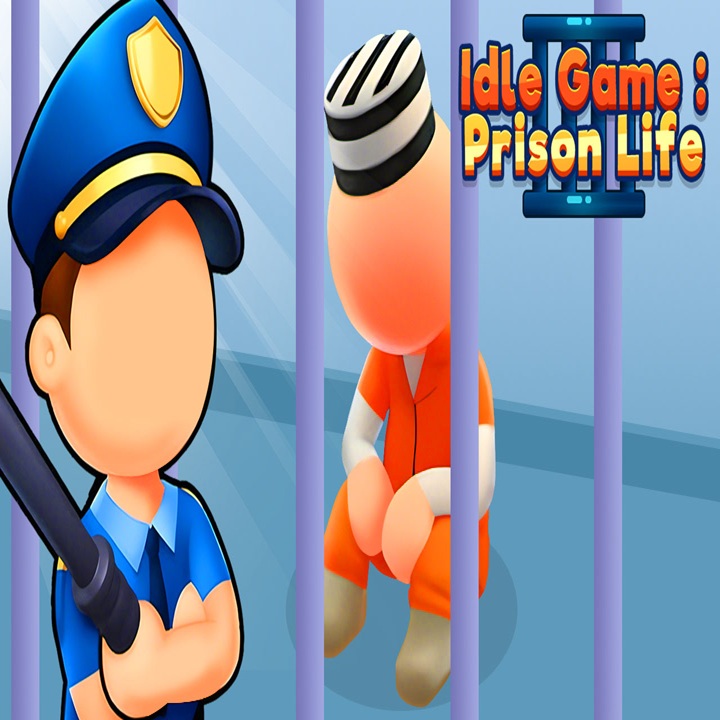
Maintaining The Daily Rhythm To Avert Chaos
You stand in a cold corridor, performing the duties of a true warden. Every new arrival requires a cell assignment, meals, hygiene facilities, and appropriate recreational activities. A single slip-up can cause morale to plummet, instantly raising the risk of riots or escape attempts. Facilities such as the mess hall, gym, mine, canteen, and visitation room are constructed as essential components of the system. Each building manages the jail population's mentality as well as its physical environment. Security guards and support staff are recruited and trained, allowing the system to operate with less direct intervention from you. As the prison’s rank increases, new areas open up, bringing heavier responsibilities. Whether you are present or away, the prison continues to function according to its own "idle" rhythm.
Each morning begins with a check to ensure inmates have been fed and have attended to their hygiene. If inmates are left hungry or unwashed for too long, discontent spreads rapidly. Sports and leisure are scheduled not just for humanitarian reasons but also to minimize insurrection. Players quickly understand that stability arises not from punishment but from fulfilling basic needs at the appropriate time. Monitoring inmate groups evolves from a mechanical task into an exercise in keen observation. When operations run smoothly, the prison generates resources through inmate labor and maintains order. Conversely, a single day of neglect can undo a week's worth of progress. This is no longer a simple button-mashing game; it is an exercise in managing people under pressure.
Transforming The Prison Into A Self-Running Machine
Once the basic order of the game is established, it transitions; the game shifts the player into the true construction phase. Gyms allow prisoners to burn off excess energy, kitchens ensure hot meals, and mines generate resources. Each new facility requires resources and offers distinct benefits. Infrastructure and people are combined: guards are hired and trained to handle more situations autonomously. Once your team is strong enough, you can confidently allow the prison to operate independently while you are offline. Expanding the prison’s tier feels like upgrading from a small camp to a fully-fledged detention complex. Deciding what to build or whom to recruit first presents a strategic challenge that is engaging without ever becoming monotonous. The satisfaction of watching the system require less and less direct intervention is the ultimate reward.
Games Of Management