No beginning funds, personnel, or incentive are provided in Shop Assistant Simulator. Your inventory is one kilogram of apples when you get the shop keys.
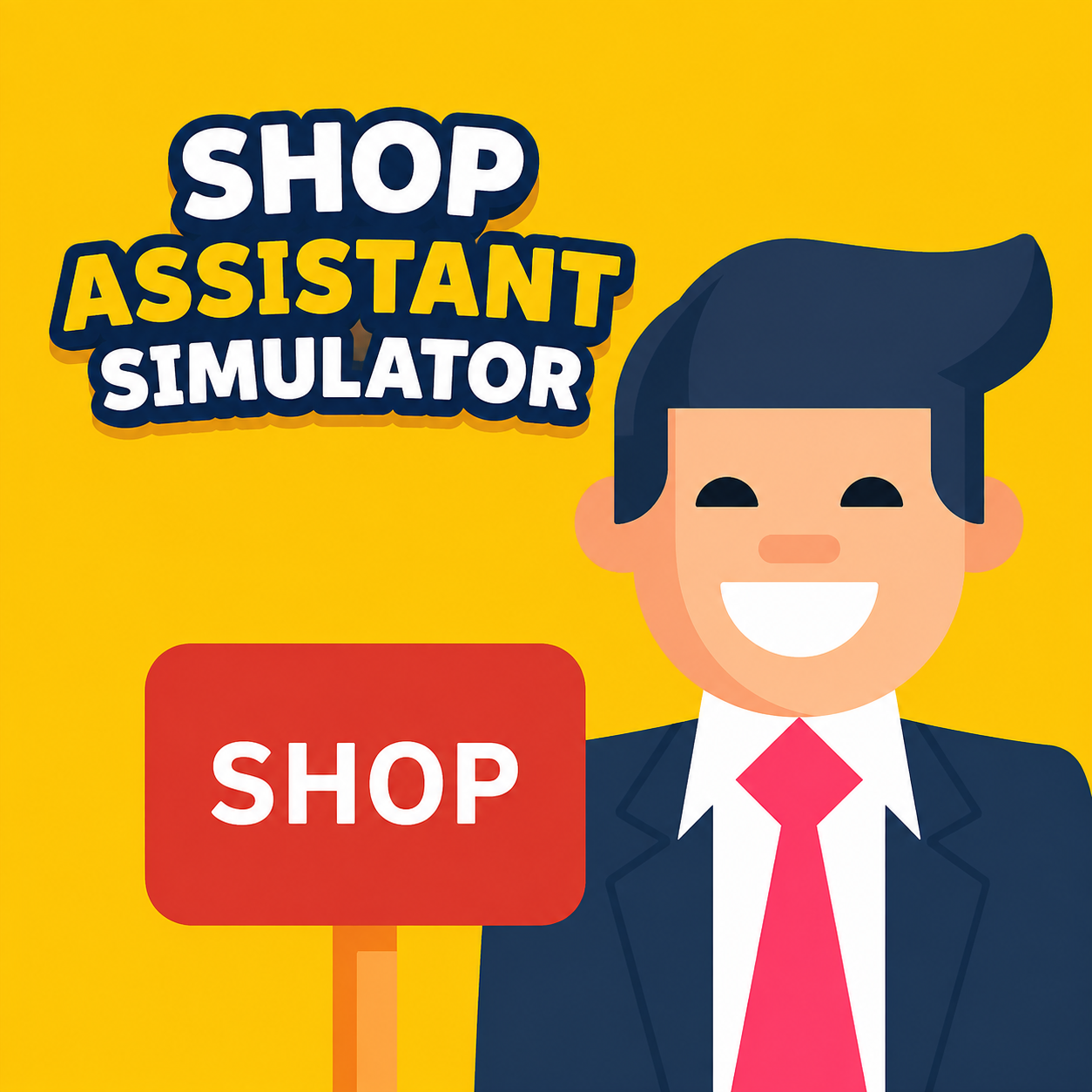
A Start No One Wants To Relive
The game simply sets products on the counter and tests your ability to make them larger. Your character has hired the space, so you must stock shelves, interact with customers, and plan growth. There is no massive capital or ready-made team—just apples and a constant stream of decisions to make. You act as a salesperson, manager, and strategic advisor all at once. The game simulates retail tasks, including stocking, monitoring sales, paying taxes, and dealing with theft and inspections. Customers arrive steadily; once the apples run out, the shop must close until you can purchase a new batch. Each departmental upgrade unlocks new products or cuts costs, smoothing out cash flow and simplifying logistics.
Departments That Determine The Shop's Fate
- Upgrading logistics lowers procurement costs, noticeably increasing the profit margin per batch of apples.
- Unlocking suppliers allows you to sell items apart from apples, diversifying your revenue streams.
- A successful accounting setup helps retain more money rather than overpaying on taxes.
- An alarm system reduces the risk of theft while you are busy with other tasks.
- Neglecting internal standards can lead to avoidable fines during inspections.
Highly Professional Automated Systems
At first, everything was manual and precarious. As departments upgrade, the shop gradually adopts a more professional appearance. Shipping costs drop, taxes ease, the product range expands, and the risk of loss decreases. In instances like these, gamers realize how far they've come since that first kilogram of apples. Yet, that stability requires constant maintenance. One missing restocking order, theft alert, or inspector violation might ruin all you've built. The game neither exaggerates the challenges nor oversimplifies them. You must continuously evaluate the urge to generate money now against the need to protect your earning potential for the future.
Your Own Shops